


When it comes to drilling tasks, choosing the right drill bit is crucial for achieving optimal results. One common question that often arises is whether a masonry drill bit can be used on wood. As a trusted Drill Bits supplier, I'm here to provide you with a comprehensive answer to this query, along with valuable insights into the characteristics of different drill bits and their suitability for various materials.
Understanding Masonry Drill Bits
Masonry drill bits are specifically designed for drilling into hard materials such as concrete, brick, and stone. They are typically made from high - speed steel (HSS) with a tungsten carbide tip, which gives them the hardness and durability needed to penetrate tough surfaces. The flutes on masonry drill bits are designed to remove debris efficiently as the bit drills into the material. The tip of a masonry drill bit is often shaped like a spear or a four - point design, which helps to start the hole accurately and break through the hard surface.
Characteristics of Wood
Wood is a relatively soft and fibrous material compared to masonry. It has a grain structure that can vary in density and direction, depending on the type of wood. Different woods, such as pine, oak, or maple, have different hardness levels and workability. When drilling wood, the goal is to create a clean hole without splintering or causing excessive damage to the wood fibers.
Can You Use a Masonry Drill Bit on Wood?
The short answer is yes, you can use a masonry drill bit on wood. However, it is not the most ideal choice for several reasons.
1. Cutting Efficiency
Masonry drill bits are designed to cut through hard materials by chipping away at the surface. When used on wood, they do not cut as cleanly as a wood - specific drill bit. Wood drill bits have a sharper point and a different flute design that is optimized for slicing through wood fibers. A masonry drill bit may tear the wood fibers instead of cutting them, resulting in a rough - edged hole with splintering on the entry and exit points.
2. Heat Generation
Drilling wood generates less heat compared to drilling masonry. Masonry drill bits are built to withstand high - temperature conditions generated when drilling through hard materials. When used on wood, the excess heat - dissipation features of a masonry drill bit may not be necessary. Moreover, the shape of the masonry drill bit may cause more friction against the wood, leading to increased heat generation and potentially burning the wood around the hole.
3. Longevity of the Bit
Using a masonry drill bit on wood can also affect its lifespan. The hard - cutting edges of a masonry drill bit are designed to withstand the abrasion of masonry materials. Wood is a softer material, and the constant use of a masonry drill bit on wood can cause the cutting edges to dull more quickly than if it were used on its intended material.
When to Use a Masonry Drill Bit on Wood
Despite the drawbacks, there are some situations where using a masonry drill bit on wood might be acceptable:
1. Emergency Situations
If you don't have a wood drill bit on hand and need to make a quick hole in wood, a masonry drill bit can be used as a temporary solution. Just be aware that the hole may not be as clean as you would like.
2. Special Requirements
In some cases, you may want a rougher - edged hole in wood for a specific purpose, such as creating a better grip for a screw or dowel. A masonry drill bit can provide this rough finish.
Alternative Drill Bits for Wood
If you're working with wood, there are several types of drill bits that are better suited for the task:
1. Twist Drill Bits
Twist drill bits are the most common type of wood drill bits. They have a spiral flute design that helps to remove chips from the hole as you drill. They come in various sizes and are suitable for general - purpose drilling in wood.
2. Brad - Point Drill Bits
Brad - point drill bits have a sharp center point and two spurs that score the wood surface before the cutting edges start to remove the material. This design helps to prevent wandering and produces a clean, accurate hole.
3. Spade Drill Bits
Spade drill bits, also known as paddle bits, are flat with a sharp cutting edge. They are ideal for drilling large - diameter holes quickly in wood.

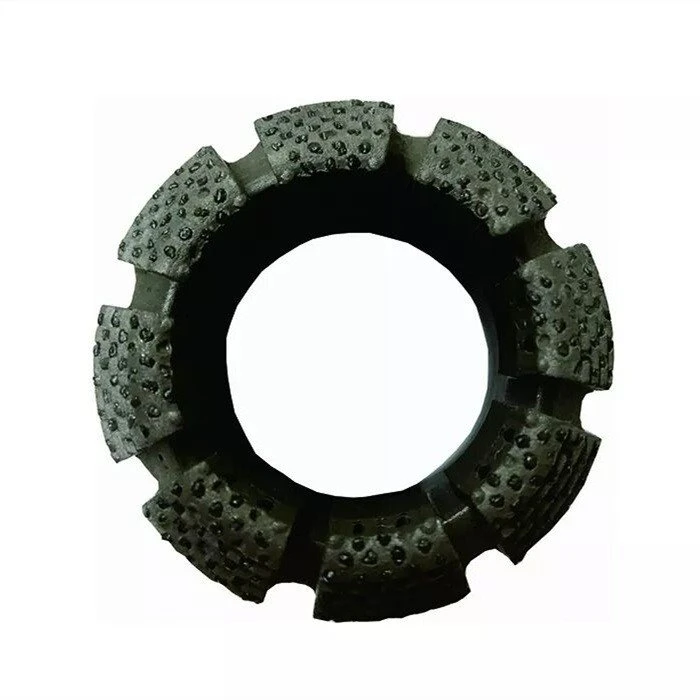
Our Drill Bit Offerings
As a Drill Bits supplier, we offer a wide range of drill bits suitable for different materials and applications. For those who need to drill through hard materials like masonry, we have high - quality PQ3 Impregnated Diamond Core Bit and Surface Set Diamond Bit. These diamond - tipped drill bits provide excellent cutting performance and durability.
For more general - purpose drilling, our PDC Drill Bit is a great option. It can be used on a variety of materials, including wood, with good results.
Conclusion
In conclusion, while it is possible to use a masonry drill bit on wood, it is not the best choice for most wood - drilling applications. Wood drill bits are designed to cut through wood more efficiently, produce cleaner holes, and reduce the risk of damage to the wood. However, in certain situations, a masonry drill bit can serve as a viable alternative.
If you're in the market for high - quality drill bits for your next project, whether it's drilling wood, masonry, or other materials, we are here to help. Our team of experts can assist you in selecting the right drill bit for your specific needs. Contact us to start a discussion about your drill bit requirements and let us provide you with the best solutions for your drilling tasks.
References
- "Woodworking Basics: Drilling Holes" by Fine Woodworking Magazine
- "Drill Bit Selection Guide" by The Home Depot
- "Materials Science of Drill Bits" by Engineering Today Journal