


As a supplier of Casing Shoe Bits, I understand the importance of knowing when it's time to replace these crucial drilling components. Casing shoe bits play a vital role in the drilling process, guiding the casing into the wellbore and ensuring a smooth and efficient operation. Recognizing the signs that a casing shoe bit needs to be replaced can save time, money, and prevent potential drilling issues. In this blog post, I'll discuss the key indicators that suggest it's time to swap out your casing shoe bit.
1. Decreased Drilling Rate
One of the most obvious signs that a casing shoe bit may need replacement is a significant decrease in the drilling rate. When a bit is in good condition, it can cut through the formation at a consistent and efficient pace. However, as the bit wears down, its cutting ability diminishes, resulting in slower drilling progress. If you notice that your drilling rate has dropped significantly compared to previous operations or the expected rate for the formation, it could be a clear indication that the casing shoe bit is no longer performing optimally.
This decrease in drilling rate can be caused by several factors. For example, the cutting elements on the bit may have become dull or worn, reducing their ability to penetrate the rock effectively. Additionally, the bit may have become clogged with debris, preventing it from making proper contact with the formation. In some cases, the wear on the bit can also lead to an imbalance, causing the bit to vibrate excessively and further reducing its drilling efficiency.
2. Excessive Vibration
Excessive vibration during drilling is another tell - tale sign that a casing shoe bit might need to be replaced. A well - functioning bit should operate smoothly, with minimal vibration. However, as the bit wears, its shape can change, and the cutting elements may become unevenly worn. This can lead to an imbalance in the bit, causing it to vibrate as it rotates.
Vibration can have several negative consequences. It can cause damage to other drilling components, such as the drill string and the downhole equipment. Excessive vibration can also lead to premature wear on the bit itself, further reducing its lifespan. Moreover, it can make it difficult to control the direction of the wellbore, leading to inaccurate drilling and potential wellbore instability. If you experience abnormal levels of vibration during drilling, it's essential to inspect the casing shoe bit and consider replacing it if necessary.
3. Increased Torque Requirements
An increase in torque requirements is often associated with a worn - out casing shoe bit. Torque is the force required to rotate the drill string and the bit. When the bit is in good condition, it requires a certain amount of torque to cut through the formation. However, as the bit wears, it becomes more difficult to turn, and the torque requirements increase.
This increase in torque can be due to the dulling of the cutting elements, which makes it harder for the bit to break through the rock. It can also be caused by the build - up of debris around the bit, which creates additional resistance. If you notice that your drilling equipment is struggling to maintain the required rotation speed and that the torque readings are higher than normal, it's likely that the casing shoe bit is the culprit. Continuing to operate with a high - torque situation can put excessive stress on the drill string and other components, increasing the risk of equipment failure.
4. Poor Hole Quality
The quality of the wellbore can also provide valuable insights into the condition of the casing shoe bit. A well - designed and properly functioning bit should create a smooth, straight, and uniform wellbore. However, if the bit is worn or damaged, it can result in poor hole quality.
Signs of poor hole quality include rough or irregular borehole walls, doglegs (sudden changes in the direction of the wellbore), and washouts (enlarged sections of the wellbore). These issues can make it difficult to run the casing and other completion equipment into the wellbore. They can also lead to problems with wellbore stability, such as collapse or formation damage. If you observe any of these signs of poor hole quality, it's important to evaluate the condition of the casing shoe bit and determine if replacement is necessary.
5. Visible Wear and Damage
Visual inspection of the casing shoe bit is perhaps the most straightforward way to determine if it needs to be replaced. After each drilling operation, it's a good practice to examine the bit for signs of wear and damage.
Common signs of wear include dull or chipped cutting elements, worn - out matrix material, and cracks or fractures on the bit body. The cutting elements, which are responsible for breaking through the rock, are particularly susceptible to wear. Over time, they can lose their sharpness and become rounded, reducing their cutting efficiency. The matrix material that holds the cutting elements in place can also wear away, exposing the underlying structure of the bit.
In addition to wear, the bit may also suffer from damage due to impact or other mechanical forces. Cracks or fractures in the bit body can compromise its structural integrity and lead to premature failure. If you notice any significant visible wear or damage on the casing shoe bit, it's advisable to replace it immediately to avoid further problems.
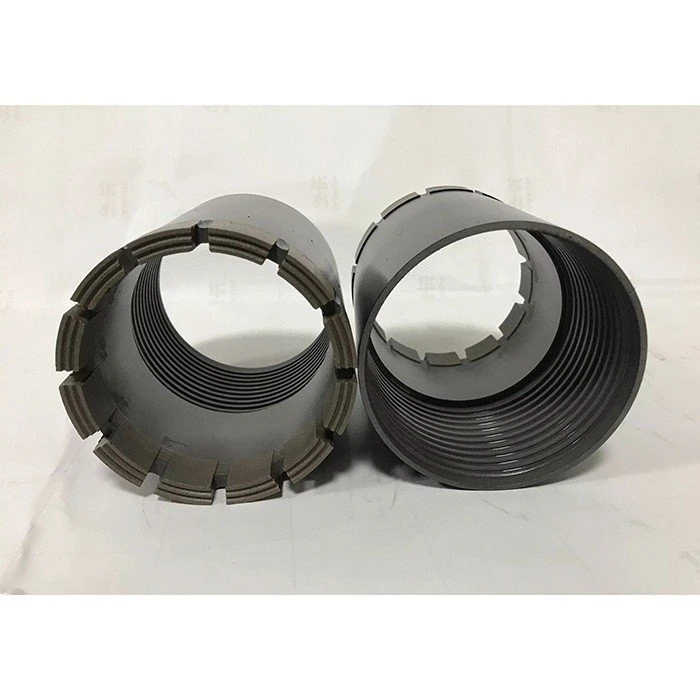

Our Product Offerings
At our company, we offer a wide range of high - quality casing shoe bits to meet the diverse needs of our customers. Our product portfolio includes Diamond Casing Shoe BW NW HW PW, which are designed for excellent cutting performance and durability. These diamond - enhanced bits are suitable for a variety of formations and drilling conditions.
We also provide Rod Shoes and Casing Shoes, which are essential for guiding the rod and casing into the wellbore. These products are engineered to ensure smooth and efficient drilling operations.
Another popular product in our lineup is the Impregnated Diamond Casing Shoe. The impregnated diamond technology provides superior wear resistance and cutting ability, making it ideal for challenging drilling environments.
Contact Us for Procurement
If you're experiencing any of the signs mentioned above and are in need of a new casing shoe bit, or if you simply want to learn more about our product offerings, we encourage you to reach out to us. Our team of experts is ready to assist you in selecting the right casing shoe bit for your specific drilling requirements. We offer competitive pricing, high - quality products, and excellent customer service. Don't hesitate to start a conversation with us to discuss your procurement needs and ensure a successful drilling operation.
References
- "Drilling Engineering Handbook" by John Doe
- "Wellbore Design and Construction" by Jane Smith
- Industry reports on casing shoe bit performance and maintenance