


Hey there! As a PDC drill bit supplier, I've had my fair share of chats with folks in the industry about PDC cutters. One question that pops up quite often is, "What's the difference between single - layer and multi - layer PDC cutters?" Well, let's dive right in and break it down.
Single - layer PDC Cutters
First off, let's talk about single - layer PDC cutters. These cutters are pretty straightforward. They consist of a single layer of polycrystalline diamond compact (PDC) bonded to a tungsten carbide substrate.
The single - layer design has its own set of advantages. For starters, it's relatively simple to manufacture. This simplicity often translates to a lower cost, making single - layer PDC cutters an attractive option for budget - conscious projects.
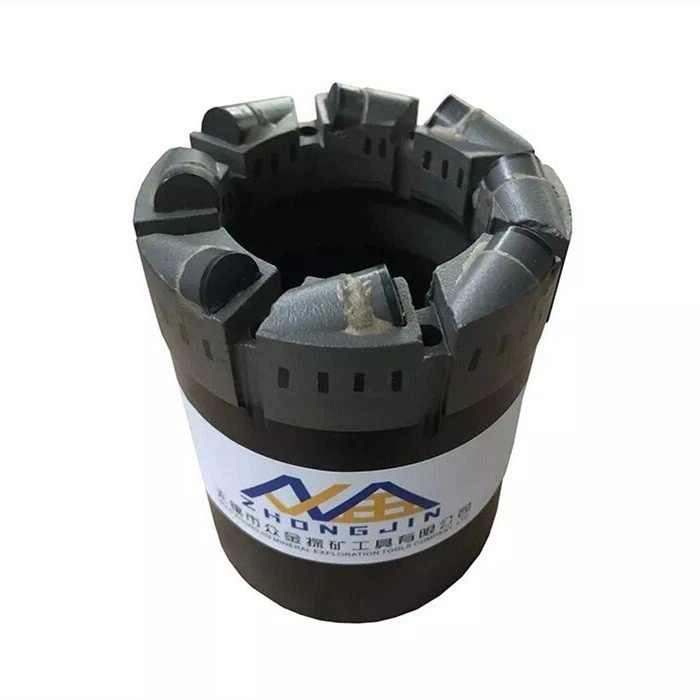

In terms of performance, single - layer PDC cutters are great for soft to medium - hard rock formations. They can provide a decent rate of penetration (ROP) in these types of rocks. The single layer of diamond allows for a more focused cutting action. Since there's only one layer doing the work, the energy is concentrated on that surface, which can lead to efficient cutting in the right conditions.
However, single - layer PDC cutters do have their limitations. They aren't as durable as multi - layer cutters. In harder rock formations, the single layer can wear out quickly. Once the diamond layer is gone, the cutter loses its cutting ability, and the drill bit's performance drops significantly. Also, in applications where there are high levels of abrasion, single - layer cutters may not hold up well over time.
Multi - layer PDC Cutters
Now, let's shift our attention to multi - layer PDC cutters. These cutters are a bit more complex. As the name suggests, they have multiple layers of PDC bonded to the tungsten carbide substrate.
One of the biggest advantages of multi - layer PDC cutters is their durability. The multiple layers of diamond mean that even if the outer layer wears out, there are still other layers beneath it that can continue to cut. This makes multi - layer cutters ideal for drilling in hard and abrasive rock formations. They can withstand the high levels of stress and wear that come with these types of rocks, providing a longer service life for the drill bit.
In terms of performance, multi - layer PDC cutters can maintain a consistent ROP over a longer period. Since they don't wear out as quickly as single - layer cutters, they can keep drilling efficiently for more extended periods. This can lead to cost savings in the long run, as you don't have to replace the drill bit as often.
But multi - layer PDC cutters aren't without their drawbacks. They are more expensive to manufacture due to their complex design. This higher cost is then passed on to the customer, which can be a deterrent for some projects with tight budgets. Also, the cutting action of multi - layer cutters may not be as focused as that of single - layer cutters in softer rocks. The multiple layers can sometimes cause the cutter to be a bit less efficient in these conditions.
Application Considerations
When it comes to choosing between single - layer and multi - layer PDC cutters, the type of rock formation is a crucial factor. If you're drilling in soft to medium - hard rocks like sandstone or shale, single - layer PDC cutters might be the way to go. They offer a good balance between cost and performance in these conditions. You can get a decent ROP without breaking the bank.
On the other hand, if you're dealing with hard and abrasive rocks such as granite or quartzite, multi - layer PDC cutters are the better choice. Their durability and long - term performance make them worth the extra investment. You'll save money in the long run by not having to replace the drill bit as frequently.
Another consideration is the project's budget. If you're working on a project with limited funds, single - layer PDC cutters can help you stay within budget. But if cost isn't as much of a concern and you need a drill bit that can handle tough conditions, multi - layer cutters are the clear winner.
Our Product Offerings
As a PDC drill bit supplier, we offer a wide range of drill bits with both single - layer and multi - layer PDC cutters. Our PDC Drill Bit options are designed to meet the diverse needs of our customers. Whether you're drilling in soft or hard rocks, we have a solution for you.
In addition to PDC drill bits, we also supply Surface Set Diamond Core Bits and NQ Diamond Core Bits. These products are also engineered to provide high - quality performance in different drilling applications.
Let's Talk
If you're in the market for drill bits and are unsure which type of PDC cutter is right for your project, don't hesitate to reach out. We have a team of experts who can help you make the best decision based on your specific needs. Whether you need more information about single - layer or multi - layer PDC cutters, or you're ready to place an order, we're here to assist you.
In conclusion, the choice between single - layer and multi - layer PDC cutters depends on several factors, including the rock formation, budget, and project requirements. By understanding the differences between these two types of cutters, you can make an informed decision that will lead to more efficient and cost - effective drilling operations.
References
- Industry reports on PDC cutter technology
- Internal research and development data from our company's PDC drill bit production