


In the field of drilling operations, PDC (Polycrystalline Diamond Compact) Core Bits are widely recognized for their efficiency and durability. As a dedicated PDC Core Bit supplier, I've witnessed firsthand the significance of various design parameters in determining the bit's performance. One such crucial factor is the back - rake angle of the cutters on the PDC Core Bit. In this blog, we'll explore how this angle affects the cutting performance of these essential drilling tools.
Understanding the Back - Rake Angle
The back - rake angle of a cutter on a PDC Core Bit is the angle between the cutting edge of the cutter and a line perpendicular to the direction of the bit's rotation. This angle can be positive, negative, or zero. A positive back - rake angle means that the cutting edge is inclined in the direction of the bit's rotation, while a negative back - rake angle indicates an inclination opposite to the rotation direction. A zero back - rake angle implies that the cutting edge is perpendicular to the rotation direction.
Impact on Cutting Force
The back - rake angle has a direct influence on the cutting force required during the drilling process. When the back - rake angle is positive, the cutter tends to slice into the rock more easily. This is because the positive angle allows the cutter to engage with the rock in a more favorable way, reducing the amount of force needed to break the rock. As a result, the overall cutting force is decreased, which is beneficial for the drilling equipment. Lower cutting forces mean less wear and tear on the bit and the drilling rig, leading to longer tool life and reduced maintenance costs.
Conversely, a negative back - rake angle increases the cutting force. The cutter has to push harder against the rock to penetrate it. This can be useful in certain situations, such as when drilling hard and abrasive rocks. The increased cutting force can help the cutter to break through the tough rock layers more effectively. However, it also puts more stress on the bit and the drilling equipment, which may lead to faster wear and potential damage.
Chip Formation and Removal
Another important aspect affected by the back - rake angle is chip formation and removal. A positive back - rake angle promotes the formation of thin and long chips. These chips are easier to remove from the cutting zone, as they can be carried away by the drilling fluid more efficiently. Good chip removal is crucial for maintaining the cutting performance of the bit. If chips accumulate in the cutting zone, they can interfere with the cutter's ability to engage with the rock, leading to reduced cutting efficiency and increased wear on the cutter.

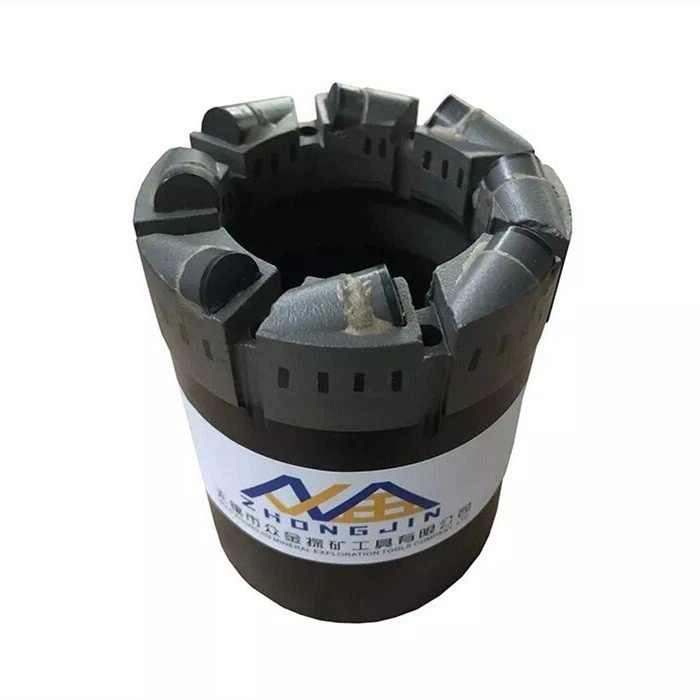
On the other hand, a negative back - rake angle often results in the formation of thicker and shorter chips. These chips are more difficult to remove from the cutting zone, and they may clog the bit, causing the drilling process to slow down. In extreme cases, chip clogging can even lead to bit failure. Therefore, when choosing the back - rake angle, it's essential to consider the rock type and the ability of the drilling fluid to carry away the chips.
Cutter Wear
The back - rake angle also plays a significant role in cutter wear. With a positive back - rake angle, the cutter experiences less friction and impact during the cutting process. This reduces the wear rate of the cutter, allowing it to maintain its cutting edge for a longer time. As a result, the bit can be used for more drilling operations before it needs to be replaced.
In contrast, a negative back - rake angle exposes the cutter to higher levels of friction and impact. This can cause the cutter to wear out more quickly, especially in hard and abrasive rock formations. The increased wear not only shortens the bit's lifespan but also affects the cutting performance, as a worn - out cutter is less effective at breaking the rock.
Drilling Efficiency
Overall, the back - rake angle has a profound impact on the drilling efficiency of the PDC Core Bit. By choosing the appropriate back - rake angle, we can optimize the cutting force, chip formation and removal, and cutter wear, all of which contribute to improved drilling efficiency. For soft to medium - hard rock formations, a positive back - rake angle is usually preferred, as it allows for easier cutting and better chip removal. This leads to faster drilling speeds and lower costs.
For hard and abrasive rocks, a negative back - rake angle may be more suitable, despite the increased cutting force and wear. The ability to break through tough rock layers more effectively can outweigh the drawbacks in some cases. However, it's important to carefully monitor the bit's performance and replace it when necessary to avoid excessive wear and damage.
Our Offerings as a PDC Core Bit Supplier
As a PDC Core Bit supplier, we understand the importance of the back - rake angle in determining the cutting performance of our products. We offer a wide range of PDC Core Bits with different back - rake angles to meet the diverse needs of our customers. Whether you're drilling in soft, medium - hard, or hard rock formations, we have the right bit for you.
Our PDC Drill Bit is designed with precision to ensure optimal cutting performance. We use high - quality PDC cutters and advanced manufacturing techniques to produce bits that are durable and efficient. Our Impregnated Diamond Core Drill Bits are also available, which are suitable for a variety of drilling applications. For specific requirements, our BQ Impregnated Diamond Core Bit offers excellent performance in medium - hard to hard rock formations.
Conclusion
In conclusion, the back - rake angle of cutters in PDC Core Bits is a critical factor that affects the cutting performance in multiple ways. It influences the cutting force, chip formation and removal, cutter wear, and overall drilling efficiency. By carefully selecting the back - rake angle based on the rock type and drilling conditions, we can optimize the performance of the PDC Core Bit and achieve better drilling results.
As a PDC Core Bit supplier, we are committed to providing our customers with high - quality products and professional advice. If you're in the market for PDC Core Bits or need more information about the back - rake angle and its impact on cutting performance, we encourage you to contact us for procurement discussions. Our team of experts is ready to assist you in finding the best solution for your drilling needs.
References
- Smith, J. D., & Johnson, R. K. (2015). "Effect of cutter geometry on the performance of PDC drill bits." Journal of Petroleum Technology, 67(2), 89 - 94.
- Brown, A. B., & Green, C. D. (2017). "Optimizing PDC bit design for different rock formations." Drilling Engineering International, 45(3), 123 - 130.
- White, E. F., & Black, G. H. (2019). "The role of back - rake angle in PDC cutter performance." International Journal of Rock Mechanics and Mining Sciences, 78, 104 - 111.