


Hey there, fellow DIYers and professionals! I'm a supplier of drill bits, and I've seen my fair share of mishaps in the workshop. That's why I'm here to talk to you about how to use a drill bit safely. Whether you're a newbie or a seasoned pro, these tips will help you avoid accidents and get the most out of your drill bits.
First things first, let's talk about choosing the right drill bit for the job. There are a ton of different types of drill bits out there, each designed for a specific task. For example, if you're drilling through wood, you'll want to use a wood drill bit. These bits have a sharp point and a spiral flute that helps to remove the wood chips as you drill. On the other hand, if you're drilling through metal, you'll need a metal drill bit. These bits are made from a harder material and have a different shape to help them cut through the metal.
As a drill bit supplier, I often recommend our Impregnated Diamond Core Bit for more heavy - duty and precise drilling jobs. It's great for drilling through hard materials like concrete and stone. And if you're working on oil and gas exploration or similar projects, our PDC Drill Bit is a top - notch choice. Its advanced design allows for efficient and long - lasting performance.
Once you've chosen the right drill bit, it's time to prepare your workspace. Make sure you have a stable surface to work on. If you're drilling a small piece, you can use a vise to hold it firmly in place. This will prevent the piece from moving around while you're drilling, which can lead to uneven holes or even cause the drill bit to break.
Before you start drilling, put on some safety gear. Safety glasses are a must - have. They'll protect your eyes from flying debris, like wood chips or metal shavings. Gloves can also be a good idea, but make sure they're not too loose. Loose gloves can get caught in the drill, which is extremely dangerous. And if you're working in a noisy environment, ear protection is a great addition to your safety gear.
Now, let's talk about how to actually use the drill bit. Start by marking the spot where you want to drill. You can use a pencil or a center punch to make a small indentation. This will help the drill bit start in the right place and prevent it from slipping.
When you turn on the drill, start at a slow speed. This is especially important when you're starting the hole. Once the drill bit has made a small indentation, you can gradually increase the speed. But don't go too fast too soon. If you're using a corded drill, make sure the cord is out of the way so you don't trip over it.

As you're drilling, apply steady pressure. Don't push too hard, or you might break the drill bit. If the drill bit starts to bind or if you feel it getting hot, stop immediately. This could be a sign that the drill bit is dull or that you're using the wrong type of bit for the material.
If you're drilling a deep hole, you might need to pull the drill bit out occasionally to clear the chips. This will help the drill bit work more efficiently and prevent it from overheating.
Another important tip is to never leave the drill running unattended. Even if you're just stepping away for a second, turn it off. You never know what could happen, and it's better to be safe than sorry.
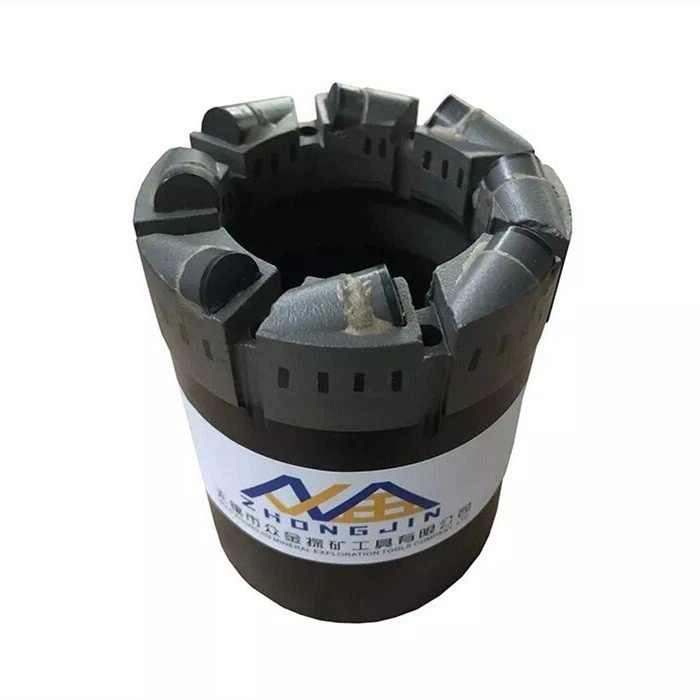
Let's take a closer look at one of our popular products, the PQ3 Impregnated Diamond Core Bit. This bit is known for its high - quality diamond impregnation, which provides excellent cutting performance. It's often used in geological exploration and mining. When using this bit, make sure you follow the same safety rules as with other drill bits.
After you're done drilling, turn off the drill and let it cool down. Remove the drill bit carefully. You can use a drill bit key to loosen the chuck and take out the bit. Then, clean the drill bit and store it properly. Keeping your drill bits clean and sharp will extend their lifespan and ensure they work well the next time you need them.
In addition to these basic safety tips, it's also a good idea to read the manufacturer's instructions for your drill and drill bits. They'll have specific information about how to use and maintain your tools.
If you're new to using drill bits, it might be a good idea to practice on a scrap piece of material first. This will give you a chance to get used to the feel of the drill and how the drill bit works.
As a drill bit supplier, I understand that everyone has different needs when it comes to drilling. That's why we offer a wide range of drill bits to suit various applications. Whether you're a hobbyist working on a home project or a professional in a construction or mining field, we've got the right drill bit for you.
If you're interested in learning more about our drill bits or if you're looking to make a purchase, I encourage you to reach out. We're always happy to help you find the best drill bit for your needs. Our team of experts can provide you with detailed information and advice on which drill bit is right for your specific project.
In conclusion, using a drill bit safely is all about preparation, following the right procedures, and using the right tools. By choosing the right drill bit, preparing your workspace, wearing safety gear, and using the drill correctly, you can avoid accidents and get great results. So, next time you're about to pick up a drill, remember these tips and stay safe.
If you have any questions or if you're ready to start a conversation about purchasing drill bits, don't hesitate to get in touch. We're here to make your drilling projects a success.
References
- General knowledge of drill bit safety and usage from years of experience in the drill bit supply industry.
- Manufacturer's guidelines for drill bits and drills.