


Regular maintenance of an RC (Reverse Circulation) Drill Rig is crucial for ensuring its optimal performance, longevity, and safety. As a reputable supplier of RC Drill Rigs, I understand the significance of maintenance and its impact on the overall efficiency of these powerful machines. In this blog, I will delve into the factors that determine how often an RC Drill Rig should be maintained and provide valuable insights to help you make informed decisions.
Understanding the Basics of RC Drill Rigs
Before discussing the maintenance frequency, it's essential to have a basic understanding of what an RC Drill Rig is. A Reverse Circulation Drill Rig is a specialized piece of equipment used in various industries, including mining, geotechnical exploration, and construction. It operates on the principle of reverse circulation, where the drilling fluid is pumped down the drill string and returns to the surface through the annulus between the drill string and the borehole wall, carrying the cuttings with it. This method allows for efficient sample collection and reduces the risk of contamination.
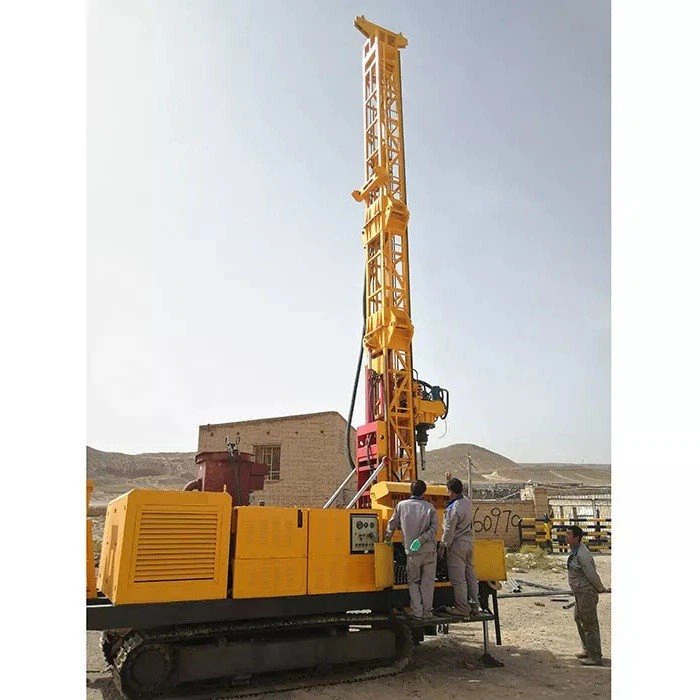
There are different types of RC Drill Rigs available in the market, such as RC Drilling Machine and Crawler Reverse Circulation Drilling Rig. Each type has its own unique features and requirements, which can influence the maintenance schedule.
Factors Affecting Maintenance Frequency
The frequency of maintenance for an RC Drill Rig depends on several factors, including:
1. Operating Conditions
The environment in which the drill rig operates plays a significant role in determining the maintenance frequency. If the rig is used in harsh conditions, such as extreme temperatures, dusty environments, or corrosive atmospheres, it will require more frequent maintenance. For example, in a mining site with high levels of dust, the air filters and other components may get clogged more quickly, necessitating more regular cleaning and replacement.
2. Usage Intensity
The amount of time the drill rig is in operation also affects the maintenance schedule. A rig that is used continuously for long hours will experience more wear and tear compared to one that is used intermittently. Therefore, a high-usage rig will need more frequent maintenance to prevent breakdowns and ensure its reliability.
3. Manufacturer's Recommendations
The manufacturer of the RC Drill Rig provides specific maintenance guidelines and schedules based on the design and specifications of the machine. These recommendations are based on extensive testing and research and should be followed closely to maintain the warranty and ensure the optimal performance of the rig. Ignoring the manufacturer's recommendations can lead to premature wear and tear, reduced efficiency, and potential safety hazards.
4. Age of the Rig
As a drill rig ages, its components naturally degrade over time. Older rigs may require more frequent maintenance and replacement of parts to keep them in good working condition. Regular inspections and preventive maintenance can help identify and address potential issues before they become major problems.
General Maintenance Schedule
Based on the factors mentioned above, here is a general maintenance schedule for an RC Drill Rig:
Daily Maintenance
- Visual Inspection: Conduct a visual inspection of the rig before and after each shift to check for any signs of damage, leaks, or loose components. Look for cracks in the drill pipes, hoses, and fittings, and ensure that all bolts and nuts are tightened.
- Fluid Levels: Check the levels of engine oil, hydraulic fluid, coolant, and fuel. Top up the fluids as needed to prevent overheating and damage to the engine and other components.
- Cleaning: Clean the rig to remove dirt, dust, and debris. Pay special attention to the air filters, radiator, and cooling fins to ensure proper ventilation and cooling.
- Function Check: Test the functionality of all controls, switches, and gauges to ensure that they are working properly. Check the operation of the drill head, feed system, and rotation mechanism.
Weekly Maintenance
- Lubrication: Lubricate all moving parts, such as the drill head, feed system, and rotation mechanism, according to the manufacturer's recommendations. Use the recommended lubricants to ensure proper lubrication and prevent wear and tear.
- Filter Cleaning/Replacement: Clean or replace the air filters, fuel filters, and hydraulic filters. Clogged filters can reduce the efficiency of the rig and cause damage to the engine and other components.
- Belt and Chain Tension: Check the tension of the belts and chains and adjust them as needed. Loose belts and chains can cause slippage and reduce the power transmission efficiency.
- Battery Inspection: Inspect the battery for any signs of corrosion or damage. Clean the battery terminals and ensure that the battery is properly charged.
Monthly Maintenance
- Hydraulic System Check: Check the hydraulic system for leaks, pressure, and fluid quality. Inspect the hydraulic hoses, fittings, and cylinders for any signs of damage or wear. Replace any damaged components as needed.
- Engine Tune-Up: Perform an engine tune-up, including checking the spark plugs, ignition timing, and fuel injection system. Clean or replace the spark plugs and filters to ensure proper combustion and fuel efficiency.
- Drill Pipe Inspection: Inspect the drill pipes for any signs of wear, damage, or corrosion. Check the threads of the drill pipes for proper engagement and tighten them if necessary. Replace any damaged drill pipes to prevent accidents and ensure the quality of the drilling operation.
- Safety Equipment Check: Inspect all safety equipment, such as the emergency stop button, fire extinguisher, and safety harness, to ensure that they are in good working condition. Replace any expired or damaged safety equipment.
Quarterly Maintenance
- Structural Inspection: Conduct a thorough inspection of the rig's structure, including the frame, mast, and substructure, for any signs of cracks, deformation, or corrosion. Repair or replace any damaged components to ensure the structural integrity of the rig.
- Gearbox and Transmission Check: Check the gearbox and transmission for oil levels, leaks, and proper operation. Inspect the gears, bearings, and shafts for any signs of wear or damage. Replace any worn or damaged components as needed.
- Electrical System Check: Inspect the electrical system for any signs of damage, loose connections, or corrosion. Check the wiring, fuses, and relays to ensure that they are functioning properly. Repair or replace any damaged electrical components to prevent electrical hazards.
Annual Maintenance
- Major Component Overhaul: Depending on the usage and age of the rig, some major components, such as the engine, hydraulic pump, and drill head, may require a major overhaul or replacement. This should be done by a qualified technician following the manufacturer's recommendations.
- Calibration and Testing: Calibrate and test all sensors, gauges, and control systems to ensure their accuracy and reliability. This includes the pressure sensors, flow meters, and depth indicators.
- Documentation Update: Update the maintenance records and documentation of the rig, including the service history, parts replacement, and calibration reports. This will help track the maintenance history of the rig and ensure that all maintenance tasks are performed on time.
Importance of Regular Maintenance
Regular maintenance of an RC Drill Rig offers several benefits, including:
1. Improved Performance
By keeping the rig in good working condition, regular maintenance ensures its optimal performance and efficiency. This translates into faster drilling speeds, better sample collection, and reduced downtime, resulting in increased productivity and profitability.

2. Extended Lifespan
Proper maintenance helps prevent premature wear and tear of the rig's components, extending its lifespan and reducing the need for costly replacements. This can save you significant money in the long run.
3. Enhanced Safety
Regular inspections and maintenance help identify and address potential safety hazards before they become major problems. This ensures the safety of the operators and other personnel working around the rig and reduces the risk of accidents and injuries.
4. Compliance with Regulations
In many industries, there are strict regulations and standards regarding the maintenance and safety of drilling equipment. By following a regular maintenance schedule, you can ensure that your RC Drill Rig complies with these regulations and avoid potential fines and penalties.
Conclusion
In conclusion, the frequency of maintenance for an RC Drill Rig depends on several factors, including operating conditions, usage intensity, manufacturer's recommendations, and the age of the rig. By following a regular maintenance schedule and performing the necessary maintenance tasks, you can ensure the optimal performance, reliability, and safety of your drill rig.
As a supplier of RC Drill Rigs, we are committed to providing our customers with high-quality products and comprehensive after-sales support. If you have any questions or need further information about the maintenance of your RC Drill Rig, please do not hesitate to contact us. We are here to help you make the most of your investment and ensure the success of your drilling operations.
References
- Manufacturer's maintenance manuals and guidelines
- Industry standards and best practices for drilling equipment maintenance
- Technical literature and research on RC Drill Rig maintenance