


Hey there! As a supplier of the SPT Sampler, I've seen my fair share of common problems that users might run into. In this blog, I'll share some tips on how to troubleshoot these issues.
First off, let's talk about what an SPT Sampler is. An SPT Sampler, which you can learn more about here, is a crucial tool in geotechnical engineering. It's used to obtain soil samples from the ground, helping engineers understand the soil's properties and make informed decisions about construction projects.
Problem 1: Difficulty in Driving the Sampler
One of the most common problems with the SPT Sampler is difficulty in driving it into the ground. This can happen for several reasons.
Possible Causes
- Hard Soil: If the soil is too hard, it can resist the sampler's penetration. This is often the case in areas with compacted soil or rock layers close to the surface.
- Incorrect Hammering Technique: The way you use the hammer to drive the sampler matters. If you're not applying enough force or if the hammer strikes are not consistent, it can lead to poor penetration.
- Sampler Blockage: Debris or soil can get stuck inside the sampler, preventing it from moving smoothly into the ground.
Solutions
- Soil Pre - treatment: In cases of hard soil, you might consider pre - treating the soil. For example, you can use a drill to create a small pilot hole before inserting the sampler. This can reduce the resistance and make it easier to drive the sampler.
- Proper Hammering: Make sure you're using the right hammer and applying the correct amount of force. A hydraulic power tong, like the ones you can find here and here, can provide more consistent and powerful hammering, improving the sampler's penetration.
- Clean the Sampler: Regularly clean the sampler to remove any blockages. You can use a wire brush or compressed air to clear out debris from the inside of the sampler.
Problem 2: Inaccurate Sample Collection
Another issue that users often face is getting inaccurate soil samples. This can affect the reliability of geotechnical data.
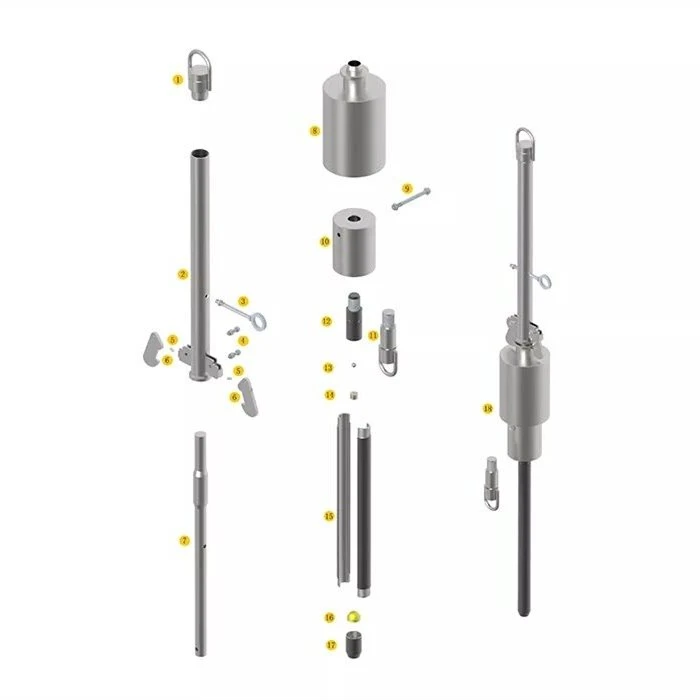

Possible Causes
- Sampler Design Flaws: If the sampler is not designed properly, it might not collect a representative soil sample. For example, the sampler might not seal correctly, allowing soil to escape or mix with other layers.
- Improper Sampling Depth: Incorrectly measuring the sampling depth can lead to samples being taken from the wrong soil layer. This can happen if the measuring equipment is inaccurate or if the operator makes a mistake.
- Soil Disturbance: During the sampling process, the soil can get disturbed, especially if the sampler is driven too quickly or with too much force.
Solutions
- Check Sampler Design: Ensure that the SPT Sampler you're using has a good design. Look for features like a tight - fitting seal and a proper cutting edge. If you suspect a design flaw, contact the manufacturer for advice or consider replacing the sampler.
- Accurate Depth Measurement: Use reliable measuring equipment and double - check the sampling depth. Mark the sampler at regular intervals to make it easier to measure the depth accurately.
- Gentle Sampling: Try to drive the sampler slowly and steadily to minimize soil disturbance. This will help you get a more representative soil sample.
Problem 3: Sampler Damage
The SPT Sampler can get damaged over time, which can affect its performance.
Possible Causes
- Excessive Force: Using too much force when driving the sampler can cause it to bend, crack, or break. This can happen if the operator is not experienced or if the soil conditions are not properly assessed.
- Corrosion: Exposure to moisture and chemicals in the soil can cause the sampler to corrode. This can weaken the sampler and reduce its lifespan.
- Impact Damage: Dropping the sampler or hitting it against hard objects can also cause damage.
Solutions
- Proper Force Application: Train operators to apply the right amount of force based on the soil conditions. Use tools like a hydraulic power tong to control the force more precisely.
- Corrosion Prevention: Coat the sampler with a corrosion - resistant material. You can also store the sampler in a dry place when not in use to reduce the risk of corrosion.
- Careful Handling: Be careful when handling the sampler to avoid impact damage. Use proper lifting equipment and follow safety procedures.
Problem 4: Connectivity Issues
Sometimes, there can be problems with the connections between different parts of the SPT Sampler system.
Possible Causes
- Loose Fittings: The fittings between the sampler, the rod, and other components can become loose over time. This can be due to vibration during the sampling process.
- Worn - out Threads: If the threads on the connections are worn out, it can lead to poor connectivity and even disconnection during sampling.
Solutions
- Tighten Fittings: Regularly check and tighten all the fittings on the SPT Sampler system. Use the appropriate tools to ensure a secure connection.
- Replace Worn - out Parts: If the threads are worn out, replace the affected parts. This will help maintain a strong and reliable connection.
In conclusion, troubleshooting common problems with the SPT Sampler requires a combination of proper equipment use, regular maintenance, and careful attention to detail. By following these tips, you can ensure that your SPT Sampler performs well and provides accurate soil samples.
If you're facing any of these problems or if you're interested in purchasing an SPT Sampler, don't hesitate to reach out. We're here to help you get the most out of your sampling equipment and ensure the success of your geotechnical projects.
References
- Geotechnical Engineering Manual, various editions
- Manufacturer's guides for SPT Samplers and related equipment