


When it comes to drilling through hard materials like concrete and brick, selecting the right drill bit is crucial. As a reputable Drill Bits supplier, I've witnessed firsthand the significance of understanding the differences between drill bits designed for concrete and those intended for brick. In this blog post, I'll delve into the key disparities, enabling you to make an informed decision for your next project.
Material Composition
One of the primary distinctions between drill bits for concrete and brick lies in their material composition. Concrete is an extremely hard and abrasive material, consisting of aggregates such as gravel, sand, and cement. To effectively penetrate concrete, drill bits need to be made from robust materials that can withstand the high levels of wear and tear.
Typically, drill bits for concrete are constructed from carbide or diamond. Carbide-tipped drill bits are popular due to their durability and affordability. The carbide tip is extremely hard and can withstand the abrasion caused by drilling through concrete. On the other hand, diamond drill bits are even more durable and are ideal for heavy-duty concrete drilling applications. The diamond particles on the tip of the drill bit provide exceptional cutting performance, making them suitable for drilling through reinforced concrete and other tough materials.
In contrast, brick is a relatively softer material compared to concrete. It is made from clay or shale that has been fired in a kiln. Drill bits for brick can be made from a variety of materials, including high-speed steel (HSS), titanium-coated HSS, or carbide. HSS drill bits are a common choice for brick drilling as they are cost-effective and can provide decent performance. Titanium-coated HSS drill bits offer improved durability and cutting speed, while carbide drill bits are the most durable option for brick drilling.
Drill Bit Design
The design of drill bits for concrete and brick also differs significantly. Drill bits for concrete are typically designed with a pointed tip and a fluted body. The pointed tip helps to penetrate the hard surface of the concrete, while the flutes on the body of the drill bit help to remove the debris from the hole as it is being drilled. Some concrete drill bits also feature a special design called a "spiral flute," which helps to improve the drilling efficiency by reducing the amount of heat generated during the drilling process.
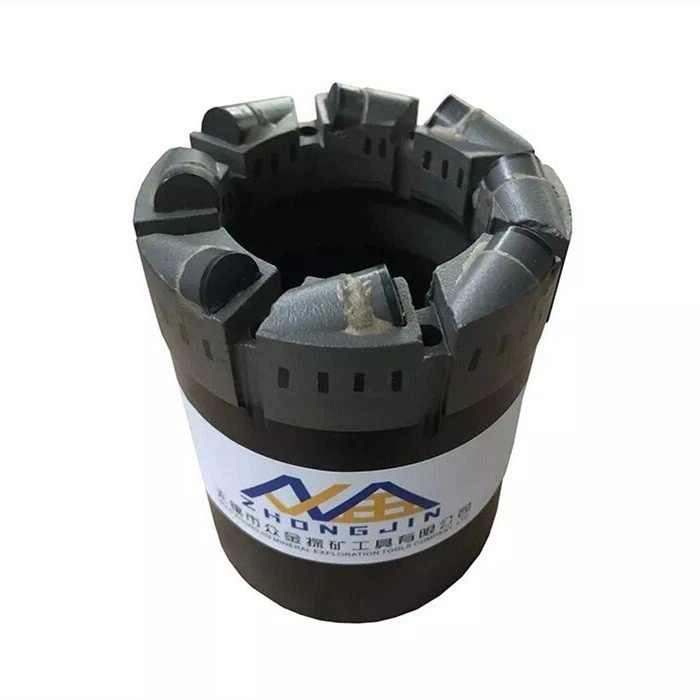

Drill bits for brick, on the other hand, are often designed with a flat tip or a slightly rounded tip. The flat tip is ideal for creating a clean and precise hole in the brick, while the rounded tip can help to prevent the drill bit from slipping on the surface of the brick. Additionally, drill bits for brick may have fewer flutes or a different flute design compared to concrete drill bits, as the debris generated during brick drilling is generally less abrasive and easier to remove.
Drilling Technique
Another important factor to consider when using drill bits for concrete and brick is the drilling technique. Drilling through concrete requires a different approach compared to drilling through brick. When drilling through concrete, it is important to use a hammer drill or a rotary hammer drill. These types of drills use a hammering action in addition to the rotary motion to break up the concrete and make it easier to drill through. It is also important to apply steady pressure and use a slow drilling speed to prevent the drill bit from overheating and becoming damaged.
When drilling through brick, a regular drill can be used in most cases. However, it is still important to use a sharp drill bit and apply gentle pressure to avoid cracking or chipping the brick. It is also a good idea to start the drilling process at a slow speed and gradually increase the speed as the drill bit penetrates the brick.
Application
The application of drill bits for concrete and brick also varies. Drill bits for concrete are commonly used in construction projects, such as installing anchors, pipes, or electrical wiring in concrete walls or floors. They are also used in renovation and remodeling projects where it is necessary to drill holes in concrete surfaces.
Drill bits for brick, on the other hand, are often used in DIY projects, such as hanging pictures, shelves, or other lightweight fixtures on brick walls. They are also used in construction projects where it is necessary to drill holes in brick for plumbing or electrical work.
Our Product Offerings
As a Drill Bits supplier, we offer a wide range of drill bits for both concrete and brick. Our Surface Set Diamond Core Drill Bits are designed for heavy-duty concrete drilling applications. They feature a high-quality diamond matrix that provides exceptional cutting performance and durability. Our PDC Drill Bit is another popular option for concrete drilling. It is made from polycrystalline diamond compact (PDC) material, which offers superior wear resistance and cutting efficiency.
For brick drilling, we offer a variety of drill bits, including Surface Set Diamond Core Bits and carbide-tipped drill bits. Our Surface Set Diamond Core Bits are ideal for creating clean and precise holes in brick, while our carbide-tipped drill bits provide excellent durability and cutting performance.
Conclusion
In conclusion, understanding the differences between drill bits for concrete and brick is essential for achieving successful drilling results. By considering factors such as material composition, drill bit design, drilling technique, and application, you can select the right drill bit for your specific project. As a Drill Bits supplier, we are committed to providing high-quality drill bits that meet the needs of our customers. If you have any questions or need assistance in selecting the right drill bit for your project, please don't hesitate to contact us. We look forward to helping you with your drilling needs and discussing potential procurement opportunities.
References
- Engineering Materials: Properties and Selection, ASM International
- Drilling and Excavation Handbook, McGraw-Hill Education