


As a supplier of PQ Diamond Core Bits, I've witnessed firsthand how different core sampling requirements can significantly influence the selection of these essential drilling tools. In this blog, we'll explore the various effects of distinct core sampling needs on PQ Diamond Core Bit selection, providing valuable insights for those involved in the drilling industry.
Understanding Core Sampling Requirements
Core sampling is a crucial process in various industries, including mining, geology, and construction. The goal is to extract cylindrical samples of the subsurface material for analysis. Different projects have unique core sampling requirements, which are primarily determined by the nature of the target material, the desired core size, and the drilling environment.
Nature of the Target Material
The hardness, abrasiveness, and homogeneity of the target material play a vital role in bit selection. For instance, if you're drilling through hard and abrasive rock formations such as granite or quartzite, you'll need a bit that can withstand high levels of wear and tear. On the other hand, softer materials like limestone or shale may require a different type of bit that can efficiently cut through the material without excessive force.

Desired Core Size
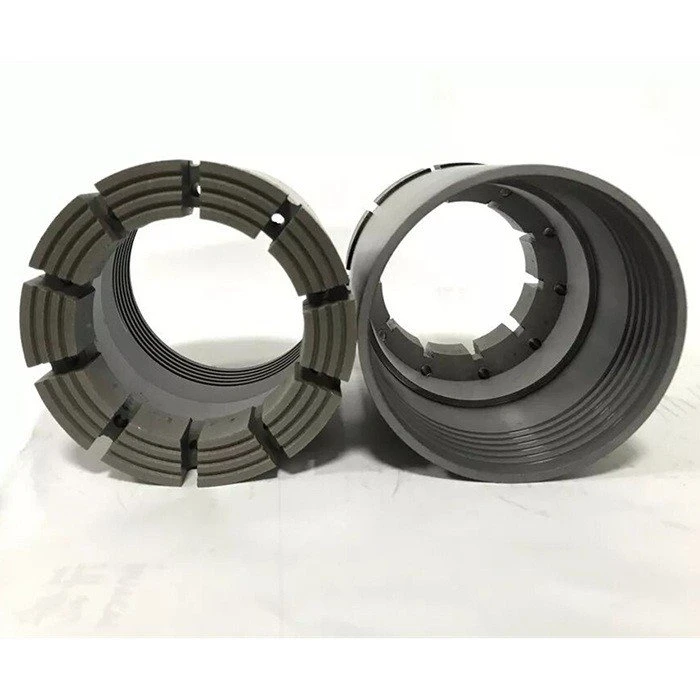
The size of the core sample you need to extract is another critical factor. PQ Diamond Core Bits come in various sizes to accommodate different core diameters. The most common PQ size is designed to produce a core with a specific diameter, typically suitable for standard laboratory analysis. However, some projects may require larger or smaller core sizes, which will directly impact the bit selection.
Drilling Environment
The drilling environment, including factors such as depth, temperature, and water conditions, can also affect bit performance. Deep drilling operations may require bits that can withstand high pressures and temperatures, while drilling in wet or corrosive environments may call for bits with enhanced corrosion resistance.
Impact on PQ Diamond Core Bit Selection
Now that we've established the key core sampling requirements, let's delve into how they influence the selection of PQ Diamond Core Bits.
Bit Type
There are different types of PQ Diamond Core Bits available, each designed to meet specific drilling needs. The two main categories are impregnated and surface-set diamond bits.
- Impregnated Diamond Core Bits: These bits are ideal for drilling hard and abrasive materials. The diamonds are embedded throughout the matrix of the bit, ensuring continuous exposure of fresh diamonds as the bit wears. This results in consistent cutting performance and longer bit life. For example, the PQ3 Impregnated Diamond Core Bit is specifically engineered for tough drilling conditions, making it a popular choice for mining and exploration projects.
- Surface-Set Diamond Core Bits: Surface-set bits have diamonds set on the surface of the bit matrix. They are typically used for softer materials or when a smoother core surface is required. These bits offer excellent precision and can produce high-quality core samples.
Diamond Grade and Concentration
The grade and concentration of diamonds in the bit also depend on the core sampling requirements. Higher-grade diamonds are more suitable for hard and abrasive materials, as they provide better cutting efficiency and durability. Similarly, a higher diamond concentration can enhance the bit's performance in challenging drilling conditions. However, it's important to balance the diamond grade and concentration with the cost, as higher-quality diamonds and higher concentrations can increase the price of the bit.
Matrix Composition
The matrix composition of the bit is designed to support the diamonds and provide the necessary cutting action. Different matrix materials are used depending on the target material and drilling conditions. For hard and abrasive materials, a harder matrix is often preferred to prevent excessive wear. In contrast, a softer matrix may be more suitable for softer materials to ensure efficient cutting.
Bit Design
The design of the PQ Diamond Core Bit can also be customized to meet specific core sampling requirements. Factors such as the shape of the bit face, the number and arrangement of the cutting edges, and the presence of water courses can all affect the bit's performance. For example, a bit with a more aggressive cutting face may be more suitable for faster drilling in softer materials, while a bit with a more conservative design may be better for precision drilling in hard materials.
Case Studies
To illustrate the importance of considering core sampling requirements in PQ Diamond Core Bit selection, let's look at a few case studies.
Case Study 1: Mining Exploration in Hard Rock
A mining exploration company was conducting a project in a region known for its hard and abrasive granite formations. Initially, they used a standard PQ Diamond Core Bit that was not specifically designed for such challenging conditions. The bit wore out quickly, resulting in frequent bit changes and increased downtime. After consulting with our team, they switched to the PQ3 Impregnated Diamond Core Bit, which was specifically engineered for hard rock drilling. The new bit provided significantly better performance, with longer bit life and faster drilling rates, ultimately saving the company time and money.
Case Study 2: Geological Survey in Soft Sediments
A geological survey team was working in an area with soft sedimentary rocks. They needed to extract high-quality core samples for detailed analysis. They initially used an impregnated bit that was too aggressive for the soft material, causing the core to break and the bit to wear unevenly. We recommended a surface-set PQ Diamond Core Bit with a softer matrix. The new bit allowed for smooth and precise cutting, producing intact core samples that met the team's requirements.
Conclusion
In conclusion, different core sampling requirements have a profound effect on PQ Diamond Core Bit selection. By carefully considering the nature of the target material, the desired core size, and the drilling environment, you can choose the right bit that will deliver optimal performance and efficiency. As a PQ Diamond Core Bit supplier, we have the expertise and experience to help you make the best selection for your specific project.
If you're involved in a core sampling project and need assistance with PQ Diamond Core Bit selection, we invite you to contact us for a consultation. Our team of experts is ready to provide you with personalized advice and solutions to meet your drilling needs. Whether you're looking for an Impregnated Diamond Core Bit for hard rock drilling or a BQ Impregnated Diamond Core Bit for a different core size, we have the products and knowledge to support your success.
References
- "Diamond Core Drilling Handbook" - A comprehensive guide to diamond core drilling techniques and bit selection.
- Industry research papers on the performance of different diamond core bits in various drilling conditions.