


As a supplier of PQ Diamond Core Bits, I've witnessed firsthand the crucial role rock formations play in the performance of our drill bits. The interaction between these formations and our PQ Diamond Core Bits is a complex yet fascinating subject that can significantly impact the efficiency and effectiveness of drilling operations. In this blog, I'll explore how different rock formations affect PQ Diamond Core Bits and what you need to consider when choosing the right bit for your project.
Understanding Rock Formations
Rock formations come in a wide variety of types, each with its own unique properties such as hardness, abrasiveness, and brittleness. These properties determine how well a drill bit can penetrate the rock and how quickly it will wear out. The most common types of rock formations encountered in drilling include sedimentary, igneous, and metamorphic rocks.
Sedimentary rocks are formed from the accumulation of sediment and organic materials over time. They are generally softer and more porous than igneous and metamorphic rocks, making them easier to drill through. Examples of sedimentary rocks include sandstone, limestone, and shale.
Igneous rocks are formed from the cooling and solidification of magma or lava. They are typically harder and more abrasive than sedimentary rocks, posing a greater challenge to drill bits. Examples of igneous rocks include granite, basalt, and rhyolite.
Metamorphic rocks are formed from the transformation of existing rocks under high heat and pressure. They can be very hard and have complex structures, making them difficult to drill. Examples of metamorphic rocks include marble, quartzite, and gneiss.
Effects of Different Rock Formations on PQ Diamond Core Bits
1. Hardness
The hardness of a rock formation is one of the most important factors affecting the performance of a PQ Diamond Core Bit. Harder rocks require a bit with a higher diamond concentration and a more aggressive cutting structure to penetrate effectively. For example, when drilling through granite, which is a very hard igneous rock, a Wireline Impregnated Diamond Core Drill Bit with a high diamond content and a coarse grit may be necessary to ensure efficient cutting. On the other hand, softer sedimentary rocks like shale can be drilled with a bit that has a lower diamond concentration and a finer grit.
2. Abrasiveness
Abrasive rocks can cause significant wear on the diamond particles of a drill bit. Rocks such as sandstone, which contain a high percentage of quartz, are particularly abrasive. When drilling through abrasive formations, it's important to choose a bit with a durable matrix that can hold the diamonds in place and prevent them from being worn away too quickly. Impregnated Diamond Bit are often a good choice for abrasive rocks because the diamonds are embedded throughout the matrix, providing continuous cutting edges as the bit wears.
3. Brittleness
Brittle rocks, such as limestone and some types of shale, can fracture easily during drilling. This can lead to problems such as core loss and bit damage. When drilling through brittle formations, it's important to use a bit with a gentle cutting action to minimize the risk of rock fracture. PDC (Polycrystalline Diamond Compact) bits, like PDC Core Drill Bits, are often preferred for brittle rocks because they have a smooth cutting surface that can reduce the likelihood of rock breakage.
4. Structure and Homogeneity
The structure and homogeneity of a rock formation can also affect the performance of a drill bit. Rocks with a complex structure, such as foliated metamorphic rocks, can be difficult to drill because the bit can easily get off - track. Homogeneous rocks, on the other hand, are generally easier to drill through. When drilling through non - homogeneous rocks, it's important to use a bit that can adapt to the changing conditions. Some PQ Diamond Core Bits are designed with self - sharpening features or adjustable cutting structures to better handle non - homogeneous formations.
Choosing the Right PQ Diamond Core Bit for Different Rock Formations
Selecting the appropriate PQ Diamond Core Bit for a specific rock formation is crucial for achieving optimal drilling performance. Here are some general guidelines to help you make the right choice:
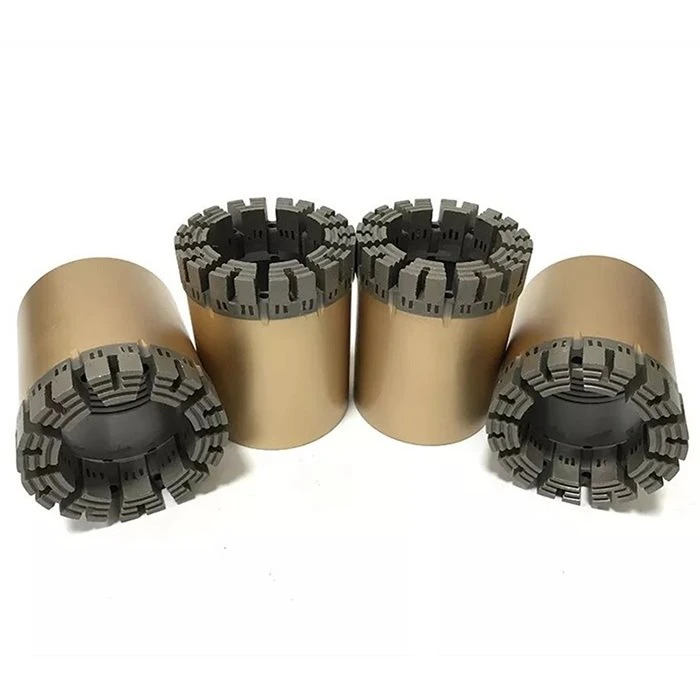

- For Soft Sedimentary Rocks: A bit with a lower diamond concentration and a finer grit is usually sufficient. This type of bit can provide a smooth and efficient cutting action without excessive wear.
- For Hard Igneous and Metamorphic Rocks: A bit with a high diamond concentration and a coarse grit is recommended. These bits can withstand the high pressures and abrasion associated with hard rock drilling.
- For Abrasive Rocks: Choose a bit with a durable matrix and a high diamond retention rate. Impregnated diamond bits are often the best option for abrasive formations.
- For Brittle Rocks: PDC Core Drill Bits are a good choice due to their smooth cutting surface and ability to reduce rock fracture.
Case Studies
Let's take a look at some real - world examples of how different rock formations have affected the performance of PQ Diamond Core Bits.
In a drilling project in a sedimentary rock area, a contractor initially used a bit designed for harder rocks. The bit was too aggressive for the soft shale, resulting in excessive vibration and poor core recovery. After switching to a bit with a lower diamond concentration and a finer grit, the drilling efficiency improved significantly, and the core recovery rate increased to over 90%.
In another project in a granite quarry, a contractor was using a standard diamond bit that was quickly worn out due to the high hardness and abrasiveness of the granite. By switching to a Wireline Impregnated Diamond Core Drill Bit with a high diamond content, the bit life increased by more than 50%, and the drilling speed also improved.
Conclusion
In conclusion, different rock formations have a profound impact on the performance of PQ Diamond Core Bits. The hardness, abrasiveness, brittleness, and structure of the rock all need to be carefully considered when choosing the right bit for a drilling project. As a supplier of PQ Diamond Core Bits, we understand the importance of matching the bit to the rock formation. Our team of experts can help you select the most suitable bit for your specific needs, ensuring efficient and cost - effective drilling operations.
If you're involved in a drilling project and need to purchase PQ Diamond Core Bits, we're here to assist you. Contact us to discuss your requirements and let us help you find the perfect solution for your rock drilling challenges.
References
- Kenteris, J., & Bizinella, P. (Eds.). (2019). Drilling Technology Handbook. Elsevier.
- Nelson, R. A., & Bourgoyne Jr, A. T. (2019). Drilling Engineering: Principles and Practice. Elsevier.
- Singh, D. N., & Goel, R. K. (2017). Rock Mechanics for Underground Mining. CRC Press.