


Hey there, fellow drilling enthusiasts! I'm a supplier of PDC drill bits, and today I want to dig deep into a question that's been on a lot of people's minds: What is the effect of the PDC drill bit on the quality of the core samples (if applicable)?
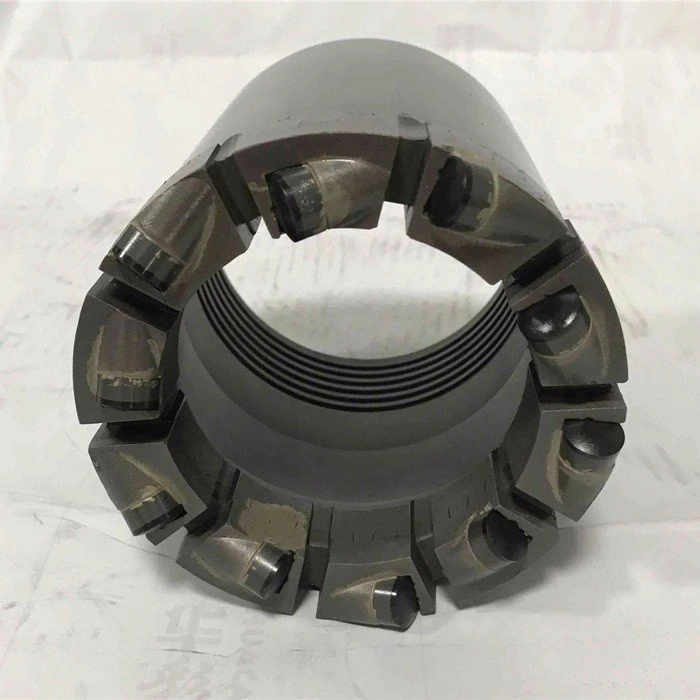
First off, let's get a quick lowdown on PDC drill bits. PDC stands for Polycrystalline Diamond Compact. These bits are super popular in the drilling world because they're tough as nails. The PDC cutters are made by bonding a layer of synthetic diamond onto a tungsten carbide substrate. This combination gives the bit excellent wear resistance and cutting efficiency.
Now, when it comes to core sampling, the quality of the core samples is crucial. Core samples are like time capsules of the subsurface. They give us valuable info about the rock formations, the presence of minerals, and all sorts of other geological data. So, how does the PDC drill bit stack up in this regard?
One of the major advantages of using a PDC drill bit for core sampling is its high rate of penetration (ROP). With a PDC bit, you can drill through the rock faster compared to some other types of bits. This means less time spent on the drilling process, which can potentially reduce the chances of the core sample getting damaged. When you're drilling slowly, the core is exposed to more stress and vibrations for a longer period, which can lead to fractures or other forms of damage. But with a PDC bit's high ROP, you can get the core out quicker and in better shape.
Another plus is the smoothness of the cut. PDC drill bits have a very sharp cutting edge. This allows them to make clean cuts through the rock, resulting in a core sample that has a more regular shape and fewer rough edges. A smooth - cut core is easier to handle, analyze, and store. It also gives more accurate results when it comes to things like measuring the rock's density or porosity.
However, it's not all sunshine and rainbows. There are some potential drawbacks to using PDC drill bits for core sampling. One issue is the heat generated during the drilling process. PDC bits generate a significant amount of heat when they're cutting through the rock. This heat can cause thermal damage to the core sample. For example, it can change the mineral structure of the rock, especially in some sensitive rocks like shale or coal. This can lead to inaccurate readings when analyzing the core for things like organic content or mineral composition.
Also, the high - energy cutting action of PDC bits can sometimes cause micro - fractures in the core. Even though these fractures might not be visible to the naked eye, they can still affect the integrity of the sample. This is particularly a problem when you're trying to study the rock's mechanical properties, like its strength or elasticity.
Let's compare PDC drill bits with some other types of bits commonly used for core sampling. Take the Surface Set Diamond Core Bits for example. These bits use natural or synthetic diamonds set on the surface of the bit body. They're great for drilling through hard and abrasive rocks. Unlike PDC bits, they generally generate less heat, which means less thermal damage to the core. But they also have a lower ROP compared to PDC bits, so the core is exposed to the drilling process for a longer time.
PDC Core Bit also has an edge over Surface Set Diamond Bit in terms of cost - effectiveness. PDC bits are usually more affordable in the long run, especially when you consider their high ROP. You can get more drilling done in less time, which can save you money on labor and equipment rental.
To mitigate the negative effects of PDC drill bits on core sample quality, there are some things you can do. First, you can use proper cooling systems. By keeping the bit and the core cool during the drilling process, you can reduce the risk of thermal damage. You can also adjust the drilling parameters, like the weight on bit and the rotational speed, to minimize the generation of micro - fractures.
In conclusion, PDC drill bits have both positive and negative effects on the quality of core samples. Their high ROP and smooth cutting action are great for getting the core out quickly and in a relatively good shape. But the heat generation and potential for micro - fractures are things that need to be carefully managed.
If you're in the market for PDC drill bits for your core sampling projects, we're here to help. We've got a wide range of high - quality PDC drill bits that are designed to give you the best results. Whether you're drilling in soft or hard rock formations, we can provide you with the right bit for the job. If you want to learn more or discuss your specific needs, feel free to reach out and start a conversation about your next project.

References:
- Drilling Engineering textbooks
- Industry reports on drilling bit performance