


What is the friction coefficient of PDC Core Bit during drilling?
As a PDC Core Bit supplier, I often get asked about the friction coefficient of PDC (Polycrystalline Diamond Compact) core bits during the drilling process. Understanding this parameter is crucial for optimizing drilling performance, reducing wear and tear, and ultimately improving the efficiency of any drilling operation.
Basics of the Friction Coefficient in Drilling
The friction coefficient is a dimensionless quantity that represents the ratio of the frictional force between two surfaces in contact to the normal force pressing them together. In the context of PDC core bit drilling, it refers to the interaction between the PDC cutters on the bit and the rock formation being drilled.
During drilling, the PDC core bit rotates and applies a downward force to penetrate the rock. As the bit moves through the rock, friction is generated at the interface between the PDC cutters and the rock surface. This friction can have several implications for the drilling process. A high friction coefficient can lead to increased torque requirements, which means more power is needed to rotate the bit. It can also cause excessive heat generation, which may damage the PDC cutters and reduce their lifespan. On the other hand, a very low friction coefficient might indicate that the bit is not effectively engaging with the rock, resulting in poor penetration rates.
Factors Affecting the Friction Coefficient of PDC Core Bits
Several factors can influence the friction coefficient of PDC core bits during drilling.
Rock Type: Different rock formations have different hardness, abrasiveness, and mineralogical compositions. For example, hard and abrasive rocks like granite will generally have a higher friction coefficient compared to softer rocks like shale. The presence of certain minerals in the rock can also affect the friction. Quartz, for instance, is a very hard mineral that can increase the abrasion and friction on the PDC cutters.
PDC Cutter Design: The shape, size, and arrangement of the PDC cutters on the bit play a significant role in determining the friction coefficient. Cutters with a more aggressive cutting geometry may have a higher initial friction as they penetrate the rock more forcefully. However, if the design is optimized, it can also lead to better chip removal and reduced friction over time. The surface finish of the PDC cutters can also impact friction. A smoother surface may reduce friction, but it needs to be balanced with the cutter's ability to grip the rock effectively.
Drilling Parameters: Parameters such as the weight on bit (WOB) and the rotational speed can affect the friction coefficient. Increasing the WOB generally increases the normal force between the bit and the rock, which can increase the frictional force. However, if the WOB is too high, it can cause excessive wear on the cutters and increase the risk of bit balling. The rotational speed also has an impact. A higher rotational speed can increase the cutting efficiency in some cases, but it can also generate more heat and increase friction if the bit is not properly designed to handle it.
Lubrication and Cooling: The use of drilling fluids is essential for lubricating the bit and cooling the cutters during drilling. Drilling fluids can reduce the friction coefficient by providing a thin film between the PDC cutters and the rock surface. They also help in removing the rock chips from the borehole, which can otherwise increase the friction. The type and properties of the drilling fluid, such as its viscosity and lubricity, can significantly affect its ability to reduce friction.
Measuring the Friction Coefficient
Measuring the friction coefficient of PDC core bits during actual drilling operations can be challenging. However, laboratory tests can be conducted to estimate this parameter. One common method is to use a friction testing machine, where a sample of the PDC cutter is brought into contact with a rock sample under controlled conditions. The normal force and the frictional force are measured, and the friction coefficient is calculated.
In the field, indirect methods can be used to assess the friction. For example, monitoring the torque and power consumption of the drilling rig can provide an indication of the frictional forces acting on the bit. If the torque suddenly increases during drilling, it may suggest an increase in the friction coefficient, which could be due to factors such as a change in the rock formation or a problem with the bit.
Importance of Controlling the Friction Coefficient
Controlling the friction coefficient of PDC core bits is of utmost importance for several reasons.
Improved Drilling Efficiency: By optimizing the friction coefficient, the drilling process can be made more efficient. A lower friction coefficient means less power is required to rotate the bit, which can result in cost savings on energy consumption. It also allows for higher penetration rates, reducing the overall drilling time.
Extended Bit Life: High friction can cause rapid wear and damage to the PDC cutters. By keeping the friction coefficient within an optimal range, the lifespan of the bit can be extended. This reduces the frequency of bit replacements, which not only saves on the cost of new bits but also minimizes the downtime associated with changing the bit.
Better Borehole Quality: Excessive friction can lead to uneven wear on the bit, which can cause the borehole to deviate from the desired path. By controlling the friction, a more uniform wear pattern can be achieved, resulting in a straighter and smoother borehole.
Our Offerings as a PDC Core Bit Supplier
As a leading PDC core bit supplier, we understand the importance of the friction coefficient in drilling operations. Our PDC core bits are designed with advanced technology and high - quality materials to ensure optimal friction performance.
We offer a wide range of PDC core bits suitable for different rock formations and drilling applications. Our engineers carefully consider the factors that affect the friction coefficient during the design process. For example, we use innovative cutter designs that balance the need for effective rock cutting with reduced friction. We also pay close attention to the surface finish of the cutters to minimize friction while maintaining good cutting performance.
In addition to our standard PDC core bits, we also offer customized solutions to meet the specific requirements of our customers. If you are dealing with a particularly challenging rock formation or have unique drilling parameters, our team can work with you to develop a PDC core bit that is optimized for your needs.
We also provide comprehensive technical support to our customers. Our experts can assist you in selecting the right PDC core bit for your project, as well as offer advice on drilling parameters and the use of drilling fluids to control the friction coefficient.
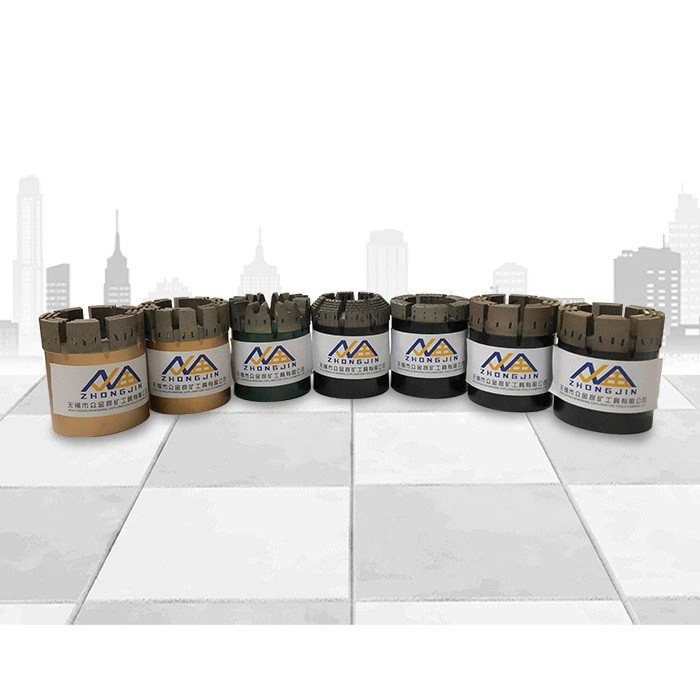

If you are interested in learning more about our Impregnated Diamond Core Bit, Wireline Impregnated Diamond Core Drill Bit, or BQ Impregnated Diamond Core Bit, please feel free to contact us. We are always ready to discuss your drilling needs and provide you with the best solutions.
Conclusion
The friction coefficient of PDC core bits during drilling is a complex parameter that is influenced by various factors such as rock type, cutter design, drilling parameters, and lubrication. Understanding and controlling this parameter is essential for improving drilling efficiency, extending bit life, and achieving better borehole quality. As a PDC core bit supplier, we are committed to providing high - quality products and technical support to help our customers optimize their drilling operations. If you are in the market for PDC core bits or need more information about friction coefficient optimization, we invite you to contact us for a detailed discussion and potential procurement.
References
- Bell, F. G. (2007). Engineering properties of rocks. Butterworth - Heinemann.
- Mitchell, J. K., & Soga, K. (2005). Fundamentals of soil behavior. John Wiley & Sons.
- Spears, F. D. (2005). Formations evaluation fundamentals. PennWell Books.